

![Saechungmu Rice [100% Korean Rice; Freshly Milled in New York] - Kim'C Market](http://biz.kimcmarket.com/cdn/shop/files/saechungmu-rice-100percent-korean-rice-freshly-milled-in-new-york-kim-c-market-1_c273cbd5-b077-4c97-81ba-7b462b4b3bba_940x.png?v=1786183621)




- Choosing a selection results in a full page refresh.

Language
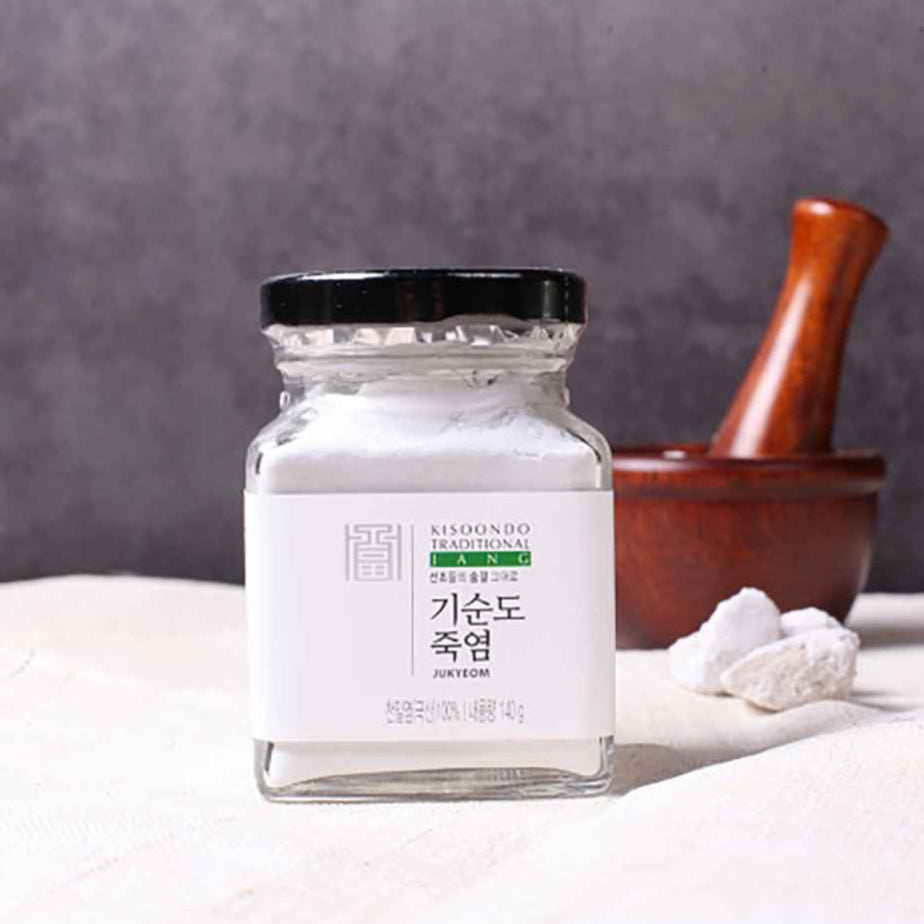
Bamboo salt — jugyeom — is the quiet secret behind Master Ki Soondo's celebrated jang (fermented pastes and sauces). Sun-dried sea salt is roasted inside Damyang bamboo over pine until its bitterness turns to a rounder, savory sweetness. The same salt she uses on every jar is now yours, as a finishing salt for your table.
Bamboo salt — jugyeom — is the quiet secret behind Master Ki Soondo's celebrated jang (fermented pastes and sauces). Sun-dried sea salt is roasted inside Damyang bamboo over pine until its bitterness turns to a rounder, savory sweetness. The same salt she uses on every jar is now yours, as a finishing salt for your table.
Ingredients: Roasted bamboo salt (Korean sun-dried sea salt, Damyang bamboo)
Purity check: Nothing added — sea salt fired in bamboo, and only that
Process: Sea salt packed into 3-year Damyang bamboo, kiln-fired over pine firewood
Net weight: 200g (7.05 oz) or 1kg (2.2 lb)
Storage method: Store in a dry place
죽염은 기순도 명인의 이름난 장을 만드는 조용한 비밀이에요. 담양 대나무에 서해안 천일염을 다져 넣고 소나무 불로 구워, 쓴맛은 사라지고 은은한 단맛과 감칠맛만 남죠. 명인이 모든 항아리에 쓰는 그 소금을, 이제 여러분의 식탁에서 마무리 소금으로 만나보세요.
The salt behind every jar
Bamboo salt, or jugyeom, is the quiet secret behind Master Ki Soondo's jang — every batch of her doenjang, gochujang, and soy sauce is seasoned with it, and she'll use no salt but bamboo salt she has roasted herself. Now it's offered on its own, as a finishing salt for your kitchen.
Three days and nights in the kiln
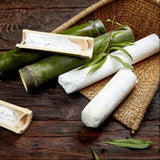
Jugyeom is made by packing sea salt into bamboo and roasting it at high heat. Master Ki cuts three-year-old Damyang bamboo into segments, fills them with sun-dried Yellow Sea salt (its bittern first drained off), and fires them in a loess (hwangto) heat-resistant kiln over pine firewood for three days and nights, until only white salt "pillars" remain. The long roast draws out the salt's bitterness, while a subtle sweetness from the bamboo adds a savory roundness that ordinary table salt doesn't have. It's the same character that runs through all of her jang.
How to use it
Use it as a finishing salt, wherever you want more than plain salinity: a pinch to brighten steamed or roasted vegetables, tofu, or grilled fish, a light sprinkle over a bowl of rice, or even a few grains on ripe fruit or dark chocolate. A little carries a long way, so add it at the very end, off the heat, to keep its character.
모든 항아리 뒤의 소금
죽염은 기순도 명인의 장을 만드는 조용한 비밀이에요. 된장·고추장·간장 모든 장에 이 소금이 들어가죠. 명인은 소금만큼은 반드시 직접 구운 죽염만 씁니다. 이제 그 죽염을 따로, 여러분 주방의 마무리 소금으로 선보입니다.
가마에서 보낸 사흘 밤낮
죽염은 대나무에 소금을 채워 고온에 구워 만듭니다. 명인은 3년 자란 담양 대나무를 한 마디씩 잘라, 간수 뺀 서해안 천일염을 다져 넣고 황토 내열가마에서 소나무 불로 사흘 밤낮을 구워요. 흰 소금 기둥만 남을 때까지요. 오래 구우면 소금의 쓴맛은 사라지고, 대나무에서 밴 은은한 단맛이 감칠맛을 더합니다. 보통 소금에는 없는 맛이죠. 명인의 모든 장에 흐르는 바로 그 맛입니다.
이렇게 쓰세요
단순한 짠맛 이상이 필요한 자리에 마무리 소금으로 쓰세요. 데치거나 구운 채소·두부·생선 위에 한 꼬집, 갓 지은 밥 위에 살짝, 잘 익은 과일이나 다크 초콜릿 위에 몇 알까지도요. 조금이면 충분하니, 제 맛을 살리려면 불을 끈 뒤 맨 마지막에 뿌려주세요.
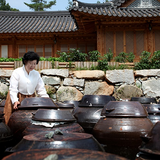
In a small village called Yucheon-ri in Changpyeong-myeon, Damyang — a place most people drive past without knowing — over 1,200 earthenware jars sit in rows, aging in the open air. This is where Master Ki Soondo has spent the better part of five decades doing what her family has done for 370 years: making traditional Korean jang the right way. Designated Korea's Traditional Food Grandmaster No. 35 and the tenth-generation daughter-in-law of the Damyang Go family, she begins each cycle in the eleventh lunar month, hand-shaping meju and firing her own bamboo salt. Among her jars is one never emptied — a ssiganjang kept alive for 370 years, the flavor benchmark for everything she makes. She sums up her life's work in a single phrase: "I cook blessings into food." Ki Soondo's traditional jang holds both HACCP and Traditional Food certification, and has been featured on CNN and praised by Michelin-starred chefs around the world.
전라남도 담양 창평면 유천리, 1,200여 개의 장독이 줄지어 하늘 아래 숨 쉬는 작은 마을. 이곳에서 기순도 명인은 370년을 이어온 가문의 방식 그대로 반평생 전통 장을 빚어왔습니다. 전통식품명인 제35호이자 담양 고씨 종갓집 10대 맏며느리인 명인은 음력 11월이면 손으로 메주를 빚고 죽염을 직접 구우며 그 해의 장을 시작해요. 1,200여 개 항아리 중에는 한 번도 비운 적 없는 370년 씨간장이 있어, 명인의 모든 장이 지향하는 맛의 기준이 되죠. 명인은 자신의 일을 한마디로 말합니다. "복(福)을 담아 식(食)을 짓습니다." 기순도 전통장은 HACCP과 전통식품 인증을 모두 획득했고, CNN 방영과 미쉐린 셰프들의 극찬을 받았습니다.
Thanks for subscribing!
This email has been registered!