

![Saechungmu Rice [100% Korean Rice; Freshly Milled in New York] - Kim'C Market](http://biz.kimcmarket.com/cdn/shop/files/saechungmu-rice-100percent-korean-rice-freshly-milled-in-new-york-kim-c-market-1_c273cbd5-b077-4c97-81ba-7b462b4b3bba_940x.png?v=1786183621)





- Choosing a selection results in a full page refresh.

Language
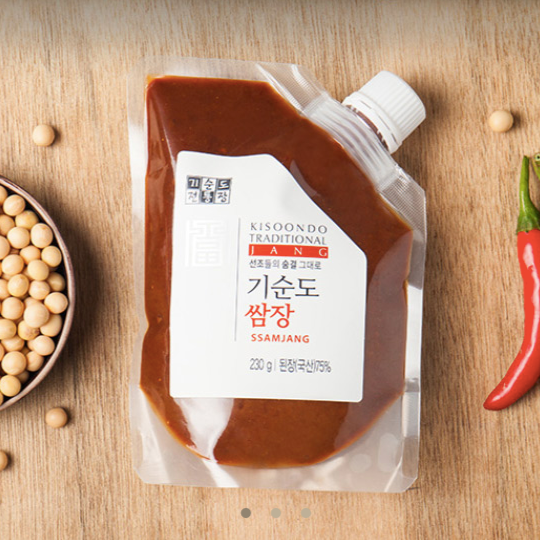
Some condiments sit in the back of the fridge, forgotten. This one gets pulled out every time. Kisoondo Ssamjang is handcrafted by Master Ki Soondo — one of Korea's most celebrated fermentation masters — using a recipe her family has quietly perfected for over 400 years. Rich, savory, and just warm enough with heat, it's the kind of paste that makes a simple lettuce wrap feel like a considered meal.
Some condiments sit in the back of the fridge, forgotten. This one gets pulled out every time. Kisoondo Ssamjang is handcrafted by Master Ki Soondo — one of Korea's most celebrated fermentation masters — using a recipe her family has quietly perfected for over 400 years. Rich, savory, and just warm enough with heat, it's the kind of paste that makes a simple lettuce wrap feel like a considered meal.
Ingredients: Soybeans, bamboo salt, glutinous rice, red pepper powder, meju powder, malt, soy sauce, rice, sesame oil — 100% Korean
Allergens: Contains soy, sesame
Purity check: No additives, no preservatives
Process: Handcrafted; naturally fermented
Certifications: HACCP; Korea Traditional Food
Net weight: 230 g (8.1 oz)
Storage method: Store in a cool, dry place; refrigerate after opening
Good to know: A living ferment — the paste may continue to ferment gently over time. That's not a flaw; it's flavor in progress.
어떤 소스는 냉장고 안에서 잊혀지지만, 이 쌈장은 꺼낼 이유가 생깁니다. 전통식품명인 기순도 명인이 400년 넘게 이어온 가문의 방식 그대로 빚어낸 쌈장으로, 깊은 감칠맛과 은은한 매운맛이 어우러져 소박한 쌈 한 입도 특별하게 만들어줍니다.
The sauce your Korean BBQ didn't know it was missing
Ssamjang literally means "wrap sauce" — ssam for the wrap, jang for the fermented paste. It's the condiment you didn't know you needed until the first time you tuck a slice of grilled pork belly into a crisp lettuce leaf, swipe it through a spoonful of this, and take a bite. Most grocery-store ssamjang is fine; it does the job. Kisoondo's is on a different level — and the difference is in what it's built on.
Two jang, blended by hand
Unlike commercial versions that start from mass-produced base pastes, Master Ki Soondo builds hers from scratch — her own naturally fermented doenjang and gochujang, both made in-house. Every eleventh lunar month she hand-shapes meju, ages it a full month, blends it with her hand-fired bamboo salt, and lets everything mature slowly in onggi jars. The two jang are then combined with sesame oil in her signature ratio. What you taste is layered and quietly addictive: the nuttiness of sesame, the deep umami of aged soybean, a gentle heat from the gochujang, and a mineral note from the bamboo salt that's hard to fake.
Ways to use it
The classic move: spread a thin layer on a perilla or butter-lettuce leaf, add a piece of grilled meat or tofu and a sliver of raw garlic, and wrap. But ssamjang is far more versatile than its name suggests. Use it as a dip for cucumber, radish sticks, endive, or a crudité board; stir a spoonful into grain bowls or bibimbap; thin it with a little sesame oil as a glaze for roasted cauliflower, eggplant, or portobello; spread it on a sandwich; or loosen it with rice vinegar for a dumpling sauce. It even stands in for miso in a marinade for salmon or chicken thighs. It's already beautifully balanced, so taste before adding more — and if you want it a touch sweeter, a small drizzle of honey blends right in.
놓치고 있던 그 맛, 바로 쌈장입니다
쌈장은 문자 그대로 '쌈에 곁들이는 장'이에요. 쌈은 싸 먹는 것, 장은 발효한 장이죠. 깻잎이나 상추에 삼겹살 한 점을 올리고 쌈장 한 숟갈을 얹어 싸 먹는 순간, 왜 필요한지 알게 되는 양념이죠. 마트 쌈장도 나쁘지 않아요. 그런데 기순도 쌈장은 차원이 다릅니다. 그 차이는 무엇으로 만들었는가에 있어요.
두 개의 장, 손으로 배합하다
시판 쌈장 대부분이 공장에서 대량 생산한 기초 장을 섞어 만드는 것과 달리, 기순도 명인은 기초부터 직접 빚습니다. 직접 담근 천연 발효 된장과 고추장으로요. 매년 음력 11월, 손으로 메주를 빚어 한 달을 발효시키고, 직접 구운 죽염과 함께 항아리에서 천천히 숙성시켜요. 그 두 장을 참기름과 명인만의 황금 비율로 배합하죠. 그래서 맛이 겹겹이에요. 참기름의 고소함, 숙성 콩의 깊은 감칠맛, 고추장의 은은한 매운맛, 그리고 죽염의 미네랄 한 줄기까지.
이렇게 즐겨보세요
가장 클래식한 방법: 깻잎이나 버터 레터스에 쌈장을 얇게 펴고, 구운 고기나 두부, 마늘 한 쪽을 올려 싸 먹기. 하지만 쌈장은 이름보다 훨씬 쓰임이 넓어요. 오이·무·앤다이브·크루디테의 디핑 소스로, 비빔밥이나 그레인 볼에 한 숟갈로, 참기름을 조금 섞어 구운 콜리플라워·가지·포토벨로 글레이즈로, 샌드위치 스프레드로, 쌀식초로 풀어 만두 소스로도요. 연어나 닭다리살 마리네이드에 미소 대신 넣어도 좋아요. 이미 균형이 잘 잡혀 있으니 더하기 전에 맛부터 보시고, 조금 더 달게 하고 싶으면 꿀 한 방울을 섞으면 됩니다.
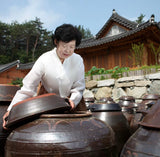
In a small village called Yucheon-ri in Changpyeong-myeon, Damyang — a place most people drive past without knowing — over 1,200 earthenware jars sit in rows, aging in the open air. This is where Master Ki Soondo has spent the better part of five decades doing what her family has done for 370 years: making traditional Korean jang the right way. Designated Korea's Traditional Food Grandmaster No. 35 and the tenth-generation daughter-in-law of the Damyang Go family, she begins each cycle in the eleventh lunar month, hand-shaping meju and firing her own bamboo salt. Among her jars is one never emptied — a ssiganjang kept alive for 370 years, the flavor benchmark for everything she makes. She sums up her life's work in a single phrase: "I cook blessings into food." Ki Soondo's traditional jang holds both HACCP and Traditional Food certification, and has been featured on CNN and praised by Michelin-starred chefs around the world.
전라남도 담양 창평면 유천리, 1,200여 개의 장독이 줄지어 하늘 아래 숨 쉬는 작은 마을. 이곳에서 기순도 명인은 370년을 이어온 가문의 방식 그대로 반평생 전통 장을 빚어왔습니다. 전통식품명인 제35호이자 담양 고씨 종갓집 10대 맏며느리인 명인은 음력 11월이면 손으로 메주를 빚고 죽염을 직접 구우며 그 해의 장을 시작해요. 1,200여 개 항아리 중에는 한 번도 비운 적 없는 370년 씨간장이 있어, 명인의 모든 장이 지향하는 맛의 기준이 되죠. 명인은 자신의 일을 한마디로 말합니다. "복(福)을 담아 식(食)을 짓습니다." 기순도 전통장은 HACCP과 전통식품 인증을 모두 획득했고, CNN 방영과 미쉐린 셰프들의 극찬을 받았습니다.
Thanks for subscribing!
This email has been registered!