

![Saechungmu Rice [100% Korean Rice; Freshly Milled in New York] - Kim'C Market](http://biz.kimcmarket.com/cdn/shop/files/saechungmu-rice-100percent-korean-rice-freshly-milled-in-new-york-kim-c-market-1_c273cbd5-b077-4c97-81ba-7b462b4b3bba_940x.png?v=1786183621)





- Choosing a selection results in a full page refresh.

Language
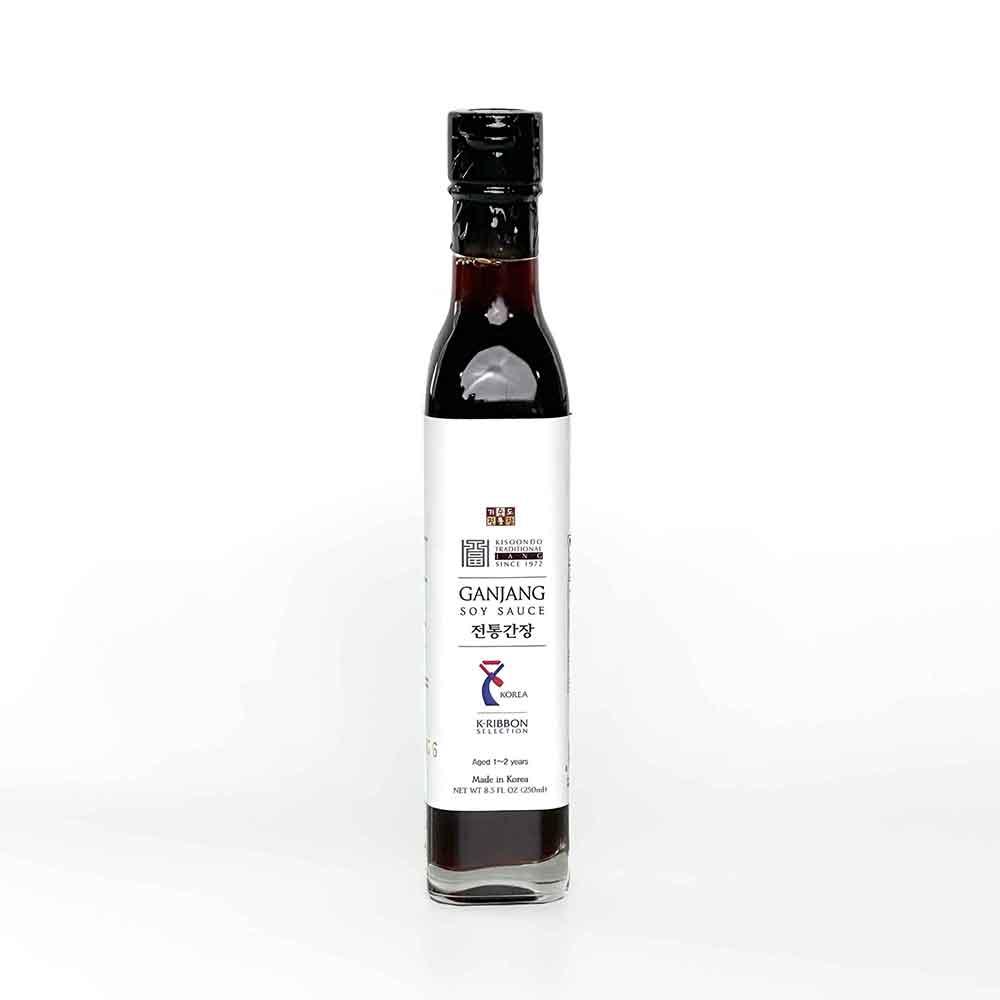
Ganjang is the seasoning soy sauce at the heart of Korean home cooking — not the dark, syrupy kind for dipping, but the clean, salt-forward sauce that gives a pot of soup its backbone. Master Ki Soondo brews hers just once a year, from only three ingredients: Korean soybeans, hand-fired bamboo salt, and mountain spring water. The meju is fermented in a loess room, blended with her own bamboo salt, and aged one to two years in earthenware jars. What's left is a deeply savory ganjang that seasons a dish from the inside — no added sweetness, nothing to mask.
Ganjang is the seasoning soy sauce at the heart of Korean home cooking — not the dark, syrupy kind for dipping, but the clean, salt-forward sauce that gives a pot of soup its backbone. Master Ki Soondo brews hers just once a year, from only three ingredients: Korean soybeans, hand-fired bamboo salt, and mountain spring water. The meju is fermented in a loess room, blended with her own bamboo salt, and aged one to two years in earthenware jars. What's left is a deeply savory ganjang that seasons a dish from the inside — no added sweetness, nothing to mask.
Ingredients: Korean-grown soybeans (Non-GMO), roasted bamboo salt, water — 100% domestic
Purity check: No additives, no preservatives; vegan
Process: Handcrafted; hand-shaped meju; naturally fermented and aged 1–2 years in earthenware jars
Certifications: HACCP
Net weight: 250 ml (8.45 fl oz)
Storage method: Store in a cool, dry place, away from direct sunlight
간장은 한국 가정 요리의 심장에 있는 양념이에요. 찍어 먹는 진하고 걸쭉한 간장이 아니라, 국 한 냄비에 중심을 잡아주는 맑고 짭짤한 국간장이죠. 기순도 명인은 이 간장을 일 년에 단 한 번, 세 가지 재료로만 담급니다. 국산 콩, 손수 구운 죽염, 그리고 산에서 온 맑은 물이죠. 메주를 황토방에서 띄워 직접 만든 죽염과 섞고, 항아리에서 1~2년 숙성시켜요. 그렇게 남는 건 요리의 간을 안에서부터 잡아주는 깊은 감칠맛의 간장입니다. 단맛을 더하지도, 무엇을 덮지도 않고요.
Master Ki's ganjang
In a Korean kitchen, ganjang is the everyday soy sauce that seasons from within — the base of a clear soup, the depth behind namul and braises. It's a different sauce from the thick, sweetened kinds sold for dipping. Master Ki Soondo's is the traditional guk-ganjang, or soup soy sauce: clean, salt-forward, and made from just three ingredients — Korean soybeans, bamboo salt, and water. Korea's Traditional Food Grandmaster No. 35, she brews it only once a year, the way her family has for 370 years — no additives, no sweeteners, no shortcuts.
A soy sauce made once a year
Every winter, Master Ki selects Korean-grown soybeans — from Muan, Goheung, and Damyang — and shapes them into meju by hand, fermenting the blocks in a traditional loess room. The bamboo salt is her own: three-year sun-dried sea salt packed into Damyang bamboo and fired in a family kiln until its edge softens into a rounder, mineral depth. The water is clean spring water from Wolbongsan. Meju, bamboo salt, and water go into earthenware jars and age for one to two years under the Damyang sky. What emerges is bright and clean at first, then opens into a deep, brothy saltiness — savory rather than sweet, and honest enough to carry a dish on its own.
How to use it
This is the soy sauce Korean cooks reach for when a dish needs seasoning, not color. A spoonful is the backbone of miyeok-guk (seaweed soup) and clear vegetable soups, and it seasons namul, japchae, and jangjorim without any need for anchovy or meat stock. Use it wherever you'd want clean, savory depth — a splash to finish a broth, a base for a dipping or seasoning sauce, or in place of salt where a rounder, fermented note would do more. Because it leans salty rather than sweet, add it gradually and taste as you go.
명인의 간장
한식에서 간장은 안에서부터 간을 잡아주는 일상의 양념이에요. 맑은 국의 바탕이 되고, 나물과 조림에 깊이를 더하죠. 찍어 먹는 진하고 단 간장과는 다른 장입니다. 기순도 명인의 간장은 전통 국간장이에요. 맑고 짭짤하며, 콩·죽염·물 단 세 가지 재료로만 빚습니다. 전통식품명인 제35호인 명인은 이 간장을 370년을 이어온 가문의 방식 그대로 일 년에 단 한 번 담가요. 첨가물도, 감미료도, 지름길도 없습니다.
일 년에 딱 한 번 담그는 장
겨울마다 명인은 무안·고흥·담양에서 온 국산 콩을 골라 손으로 메주를 빚고, 전통 황토방에서 발효시킵니다. 죽염은 직접 만들어요. 3년 묵힌 천일염을 담양 대나무에 채워 가마에 구우면, 날카로운 맛이 부드럽고 복합적인 미네랄의 깊이로 바뀌죠. 물은 월봉산의 맑은 지하수를 씁니다. 메주와 죽염, 물을 항아리에 담아 담양의 하늘 아래 1~2년을 익혀요. 그렇게 완성된 간장은 처음엔 맑고 산뜻하다가, 곧 국물처럼 우러나는 깊은 짠맛으로 열립니다. 달기보다 감칠맛이 앞서고, 요리 하나를 홀로 받쳐줄 만큼 정직한 맛이에요.
국물의 간을 잡을 때
색이 아니라 간이 필요할 때 한국 요리사들이 손을 뻗는 간장이 바로 이거예요. 한 숟갈이면 미역국과 맑은 채소국의 중심이 잡히고, 멸치나 고기 육수 없이도 나물·잡채·장조림의 간을 맞춰줍니다. 맑고 감칠맛 있는 깊이가 필요한 곳이면 어디든 좋아요. 국물 마무리에 한 방울, 양념장이나 초간장의 베이스로, 혹은 소금 대신 은은한 발효의 맛을 더하고 싶을 때 쓰세요. 달기보다 짭짤한 편이라, 조금씩 넣고 간을 보며 더하면 됩니다.
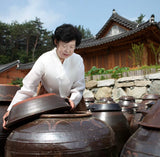
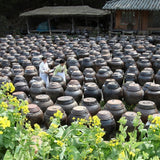
In a small village called Yucheon-ri in Changpyeong-myeon, Damyang — a place most people drive past without knowing — over 1,200 earthenware jars sit in rows, aging in the open air. This is where Master Ki Soondo has spent the better part of five decades doing what her family has done for 370 years: making traditional Korean jang the right way. Designated Korea's Traditional Food Grandmaster No. 35 and the tenth-generation daughter-in-law of the Damyang Go family, she begins each cycle in the eleventh lunar month, hand-shaping meju and firing her own bamboo salt. Among her jars is one never emptied — a ssiganjang kept alive for 370 years, the flavor benchmark for everything she makes. She sums up her life's work in a single phrase: "I cook blessings into food." Ki Soondo's traditional jang holds both HACCP and Traditional Food certification, and has been featured on CNN and praised by Michelin-starred chefs around the world.
전라남도 담양 창평면 유천리, 1,200여 개의 장독이 줄지어 하늘 아래 숨 쉬는 작은 마을. 이곳에서 기순도 명인은 370년을 이어온 가문의 방식 그대로 반평생 전통 장을 빚어왔습니다. 전통식품명인 제35호이자 담양 고씨 종갓집 10대 맏며느리인 명인은 음력 11월이면 손으로 메주를 빚고 죽염을 직접 구우며 그 해의 장을 시작해요. 1,200여 개 항아리 중에는 한 번도 비운 적 없는 370년 씨간장이 있어, 명인의 모든 장이 지향하는 맛의 기준이 되죠. 명인은 자신의 일을 한마디로 말합니다. "복(福)을 담아 식(食)을 짓습니다." 기순도 전통장은 HACCP과 전통식품 인증을 모두 획득했고, CNN 방영과 미쉐린 셰프들의 극찬을 받았습니다.
Thanks for subscribing!
This email has been registered!