

![Saechungmu Rice [100% Korean Rice; Freshly Milled in New York] - Kim'C Market](http://biz.kimcmarket.com/cdn/shop/files/saechungmu-rice-100percent-korean-rice-freshly-milled-in-new-york-kim-c-market-1_c273cbd5-b077-4c97-81ba-7b462b4b3bba_940x.png?v=1786183621)




- Choosing a selection results in a full page refresh.

Language
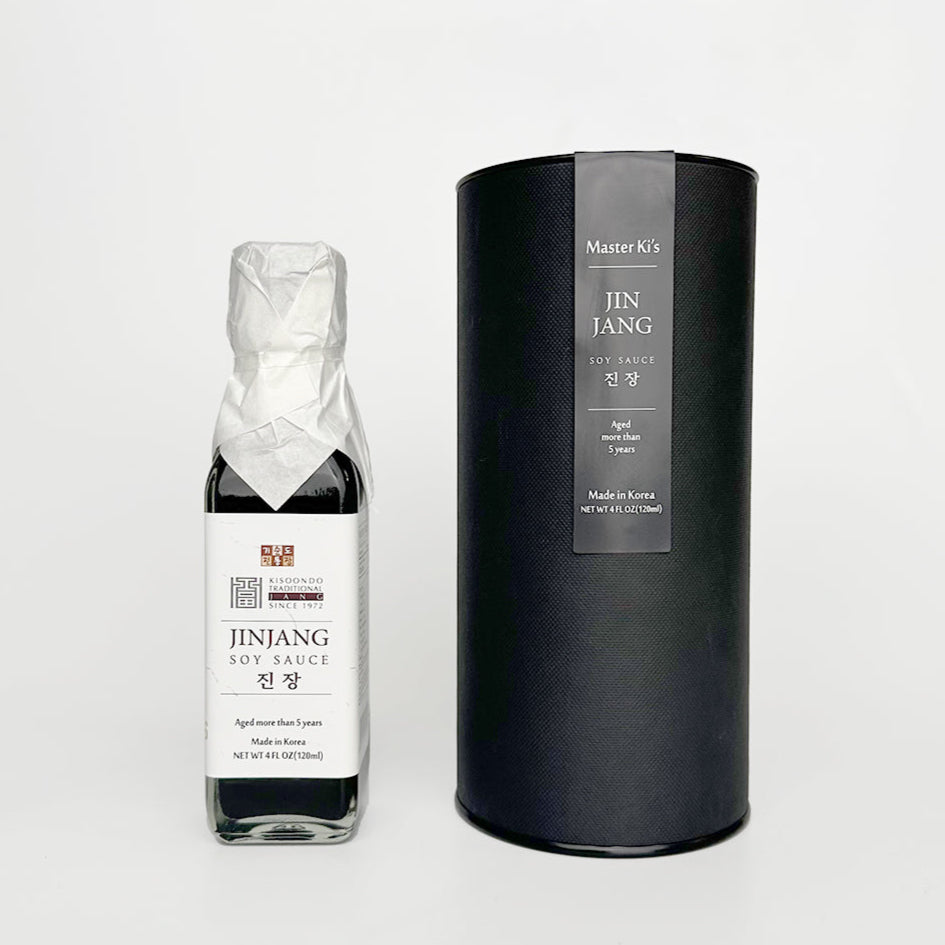
If soy sauce had a Grand Cru, this would be it. Kisoondo Jinjang is a traditional Korean soy sauce aged at least five years, developing a color as deep as midnight and a flavor no shortcut can reproduce. Master Ki Soondo, Korea's Traditional Food Grandmaster No. 35, handcrafts it from only three ingredients — 100% Korean-grown soybeans, her own bamboo salt, and clean spring water drawn from 160 metres underground and tested twice a year. Rich enough to deepen an everyday home-cooked meal, yet elegant enough to give as a gift.
If soy sauce had a Grand Cru, this would be it. Kisoondo Jinjang is a traditional Korean soy sauce aged at least five years, developing a color as deep as midnight and a flavor no shortcut can reproduce. Master Ki Soondo, Korea's Traditional Food Grandmaster No. 35, handcrafts it from only three ingredients — 100% Korean-grown soybeans, her own bamboo salt, and clean spring water drawn from 160 metres underground and tested twice a year. Rich enough to deepen an everyday home-cooked meal, yet elegant enough to give as a gift.
Ingredients: Korean-grown soybeans (Non-GMO), roasted bamboo salt, water
Purity check: No additives, no preservatives; vegan
Process: Handcrafted; aged 5+ years in earthenware jars
Certifications: HACCP; Korea Traditional Food
Net weight: 120 ml (4.05 fl oz)
Storage method: Store in a cool, dry place, away from direct sunlight
이게 바로 간장의 그랑 크뤼예요. 기순도 진장은 최소 5년 이상 숙성한 전통 간장으로, 깊은 밤처럼 어둡고 짙은 색과 어떤 공장 간장도 흉내 낼 수 없는 풍미를 지닙니다. 전통식품명인 제35호 기순도 명인이 단 세 가지 재료로만 손수 빚어요. 100% 국산 콩, 직접 만든 죽염, 그리고 지하 160m에서 끌어올려 연 2회 수질 검사를 거치는 맑은 물이죠. 정성껏 차린 집밥 한 상을 더 깊게 만들고, 소중한 사람에게 건네는 선물로도 잘 어울리는 간장입니다.
The pinnacle of Korean soy sauce
In Korean cooking, soy sauce ages into different characters. Cheongjang, aged less than a year, is bright and sharp. Ganjang, aged one to three years, deepens in umami and complexity. And then there is jinjang — the soy sauce that has waited five or more years, emerging as the darkest, richest, most concentrated of them all. What makes Ki Soondo's jinjang extraordinary is exactly that: the willingness to wait.
Three ingredients, no compromises
Great soy sauce doesn't need a long ingredient list — it needs the right ones. Ki Soondo uses 100% Korean-grown soybeans, her own bamboo salt (three-year sun-dried sea salt packed into Damyang bamboo and kiln-fired), and clean spring water drawn from 160 metres underground and tested twice a year. While most soy sauces separate the meju from the liquid after just 40 to 90 days, her jinjang lets the meju soak for a full year; then, instead of pressing, she lowers a bamboo strainer into the jar to draw only the clearest liquid — no squeezing, no shortcuts. That liquid deepens in the jar for five more years, and a small measure of ssiganjang, her family's 370-year-old heirloom starter, is blended in at the end, tying every batch to centuries of flavor memory. The meju is hand-shaped, bound in rice straw, and fermented in a loess room; every jar ages outdoors in Damyang's mountain air, with no climate controls — just the seasons doing their work. What emerges is intensely savory, less salty than younger soy sauces, with a natural, rounded sweetness that lingers.
How to use it
Jinjang isn't an everyday soy sauce for pouring over rice — think of it the way a chef treats aged balsamic or a finishing salt: used with intention, a little at a time. Concentrated and less salty than younger soy sauces, it shines in braised dishes (jorim), yakshik, and long-simmered soups, and a single spoonful stirred into a glaze, a marinade, or a dressing will outdo a tablespoon of ordinary soy sauce. Season to taste rather than by habit, and let its natural sweetness do some of the work of sugar.
한국 간장의 정점
한식에서 간장은 숙성에 따라 저마다 다른 성격을 갖습니다. 1년 미만 숙성한 청장은 밝고 짠맛이 또렷하고, 1~3년의 간장은 감칠맛이 깊어지죠. 그리고 진장은 5년 이상을 기다려 얻는, 가장 진하고 농밀한 간장의 정점이죠. 기순도 명인의 진장이 특별한 이유는 바로 그 기다림에 있어요.
세 가지 재료, 타협 없이
훌륭한 간장에 긴 원재료 목록은 필요 없어요. 올바른 재료 세 가지면 됩니다. 명인은 100% 국산 콩과, 3년 묵힌 천일염을 담양 대나무에 채워 가마에 구운 직접 만든 죽염, 그리고 지하 160m에서 끌어올려 연 2회 수질 검사를 거치는 맑은 물을 씁니다. 보통의 간장은 40~90일이면 메주를 건져내지만, 명인의 진장은 메주를 꼬박 1년 담가두었다가, 압착하지 않고 대나무 용수를 항아리에 넣어 맑은 액만 조용히 떠내요. 그 간장을 다시 5년을 숙성시키고, 마지막에 집안 대대로 내려오는 370년 씨간장을 소량 더해 완성합니다. 메주는 손으로 빚어 볏짚으로 묶고 황토방에서 띄우며, 모든 항아리는 담양의 산 공기 아래 야외에서 계절에 맡겨 숙성돼요. 그렇게 남는 건 짠맛은 덜하고 감칠맛은 짙으며, 은은하고 둥근 단맛이 길게 남는 간장입니다.
이렇게 쓰세요
진장은 밥에 뿌려 먹는 일상의 간장이 아니에요. 셰프가 숙성 발사믹이나 피니싱 솔트를 다루듯, 깊이가 필요한 자리에 의도적으로 조금씩 씁니다. 어린 간장보다 짠맛이 덜하고 농축돼 있어 조림·약식·오래 끓인 국에 특히 좋고, 글레이즈·양념장·드레싱에 한 숟갈이면 일반 간장 한 큰술보다 깊은 맛을 내요. 습관적으로 넣기보다 맛을 보며 더하고, 은은한 단맛이 설탕의 자리를 대신하게 두세요.
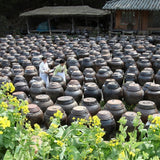
In a small village called Yucheon-ri in Changpyeong-myeon, Damyang — a place most people drive past without knowing — over 1,200 earthenware jars sit in rows, aging in the open air. This is where Master Ki Soondo has spent the better part of five decades doing what her family has done for 370 years: making traditional Korean jang the right way. Designated Korea's Traditional Food Grandmaster No. 35 and the tenth-generation daughter-in-law of the Damyang Go family, she begins each cycle in the eleventh lunar month, hand-shaping meju and firing her own bamboo salt. Among her jars is one never emptied — a ssiganjang kept alive for 370 years, the flavor benchmark for everything she makes. She sums up her life's work in a single phrase: "I cook blessings into food." Ki Soondo's traditional jang holds both HACCP and Traditional Food certification, and has been featured on CNN and praised by Michelin-starred chefs around the world.
전라남도 담양 창평면 유천리, 1,200여 개의 장독이 줄지어 하늘 아래 숨 쉬는 작은 마을. 이곳에서 기순도 명인은 370년을 이어온 가문의 방식 그대로 반평생 전통 장을 빚어왔습니다. 전통식품명인 제35호이자 담양 고씨 종갓집 10대 맏며느리인 명인은 음력 11월이면 손으로 메주를 빚고 죽염을 직접 구우며 그 해의 장을 시작해요. 1,200여 개 항아리 중에는 한 번도 비운 적 없는 370년 씨간장이 있어, 명인의 모든 장이 지향하는 맛의 기준이 되죠. 명인은 자신의 일을 한마디로 말합니다. "복(福)을 담아 식(食)을 짓습니다." 기순도 전통장은 HACCP과 전통식품 인증을 모두 획득했고, CNN 방영과 미쉐린 셰프들의 극찬을 받았습니다.
Thanks for subscribing!
This email has been registered!