

![Saechungmu Rice [100% Korean Rice; Freshly Milled in New York] - Kim'C Market](http://biz.kimcmarket.com/cdn/shop/files/saechungmu-rice-100percent-korean-rice-freshly-milled-in-new-york-kim-c-market-1_c273cbd5-b077-4c97-81ba-7b462b4b3bba_940x.png?v=1786183621)





- Choosing a selection results in a full page refresh.

Language
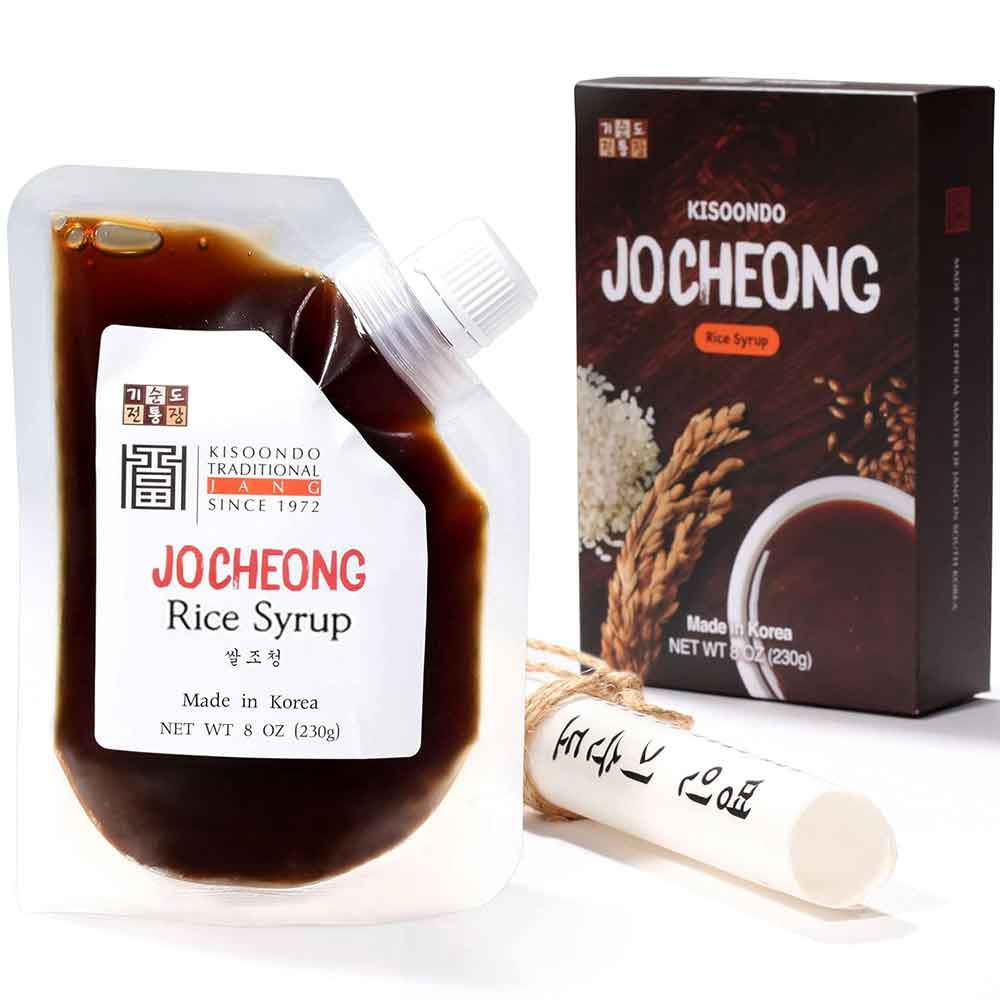
Most sweeteners start with sugar. This one starts with barley that Master Ki Soondo sprouts and grows herself. Jocheong is Korea's traditional grain syrup, and hers uses just two ingredients — Korean rice and that homegrown barley malt — slow-simmered for hours until the grain releases its own sweetness. The result is round, mellow, and faintly nutty, nothing like the sharp edge of refined sugar.
Most sweeteners start with sugar. This one starts with barley that Master Ki Soondo sprouts and grows herself. Jocheong is Korea's traditional grain syrup, and hers uses just two ingredients — Korean rice and that homegrown barley malt — slow-simmered for hours until the grain releases its own sweetness. The result is round, mellow, and faintly nutty, nothing like the sharp edge of refined sugar.
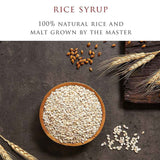
Ingredients: Korean rice (92%), barley malt (8%) — 100% grown in Korea
Purity check: No added sugar, no preservatives, no artificial additives; non-GMO
Process: Handcrafted; slow-simmered from sprouted barley malt
Certifications: HACCP
Net weight: 230 g (8.1 oz)
Storage method: Store in a cool, dry place; refrigerate after opening
Allergens: Contains barley (gluten); made in a facility that also processes soy
단맛이 꼭 설탕에서 와야 할까요? 이 조청은 기순도 명인이 직접 싹 틔워 기른 보리 엿기름에서 시작합니다. 조청은 우리 전통 곡물 시럽이에요. 명인의 조청은 국내산 쌀과 그 엿기름, 딱 두 가지만으로 몇 시간을 뭉근히 고아 곡물이 스스로 단맛을 내도록 만들죠. 설탕처럼 톡 쏘는 단맛이 아니라, 둥글고 부드러우며 은은하게 고소한 맛이 살아 있습니다.
Sweetness, the slow way
Long before refined sugar arrived, Koreans sweetened their food with jocheong — a syrup coaxed out of nothing but grain. The process is unhurried: steamed rice is mixed with malt and water, left to saccharify overnight, then strained and simmered for hours until it thickens into a glossy, amber syrup. Master Ki Soondo makes hers with only two ingredients — Korean rice and barley malt — and grows that malt herself, sprouting the barley before drying and milling it. (The Korean word for malt even traces back to the verb "to grow.") Where most store-bought syrups lean on corn syrup, refined sugar, or additives for a flat, one-note sweetness, this one tastes of the grain it came from.
Master Ki Soondo's touch
Ki Soondo is a nationally designated Korean food master and the tenth-generation keeper of a 370-year-old family tradition in Damyang, in the country's southwest. The same hands that tend 1,200 earthenware jars of fermenting sauce and paste make this syrup, and the care shows. Because its sweetness comes from malt enzymes gently turning rice starch into natural maltose — not from added sugar — jocheong is rounded and mellow, with a toasty, almost nutty depth and a clean finish that never turns cloying. It's also why it forms the backbone of her gochujang, the fermented chili paste, where it lends body and a slow, lingering sweetness.
How to use it
Anywhere you'd reach for honey, maple syrup, or sugar, jocheong slips right in — with a savory-sweet depth those can't quite match. Whisk it into a salad dressing or a marinade for beef, salmon, or roasted vegetables, or brush it over braised dishes for gloss and a gentle sweetness. Spoon it onto warm toast with brie, swirl it into yogurt or oatmeal, or drizzle it over rice cakes for an afternoon snack. And if you ever make your own gochujang, now you know the secret ingredient.
설탕 없이, 천천히 만든 단맛
정제 설탕이 들어오기 훨씬 전부터, 우리 조상들은 조청으로 단맛을 냈어요. 만드는 과정은 느긋합니다. 쌀로 고두밥을 짓고 엿기름과 물을 넣어 하룻밤 당화시킨 뒤, 그 물만 걸러 오랜 시간 졸이면 윤기 흐르는 호박빛 조청이 됩니다. 기순도 명인은 국내산 쌀과 엿기름, 단 두 가지만 쓰는데, 그 엿기름마저 직접 보리 싹을 틔우고 말려 빻아 만들어요. (엿기름의 '기름'은 '기르다'에서 온 말이라고 하니, 말 그대로 '길러 낸' 단맛인 셈이죠.) 옥수수 시럽이나 정제당, 첨가물에 기대 밋밋하게 단 시판 시럽과 달리, 이 조청에는 곡물 본연의 맛이 그대로 담겨 있습니다.
기순도 명인의 손맛
기순도 명인은 대한민국 전통식품명인이자, 전남 담양에서 370년을 이어 온 종가의 10대 종부예요. 1,200여 개의 옹기에서 장을 빚어 온 바로 그 손길로 이 조청을 고아 냅니다. 단맛이 설탕이 아니라 엿기름 속 효소가 쌀의 전분을 천천히 맥아당으로 바꾸며 생기는 것이라, 둥글고 부드러우면서 구수한 감칠맛이 은은하게 돌고 끝맛이 깔끔해 물리지 않아요. 명인이 직접 담그는 고추장에도 이 조청이 들어가, 깊은 바디감과 여운이 긴 단맛을 더해 줍니다.
이렇게 활용해보세요
꿀이나 메이플 시럽, 설탕을 쓰던 자리에 그대로 조청을 넣어 보세요. 그 자리에 구수한 감칠맛이 더해집니다. 소고기나 연어, 구운 채소 양념에 넣거나 샐러드 드레싱에 섞어도 좋고, 각종 조림에 발라 윤기와 은은한 단맛을 더해도 잘 어울려요. 따뜻한 토스트에 브리치즈와 곁들이거나 요거트·오트밀에 살짝 둘러도 맛있고, 떡에 찍어 먹으면 든든한 간식이 됩니다. 혹시 직접 고추장을 담글 일이 있다면 — 이제 그 비법 재료가 무엇인지 아시겠죠?
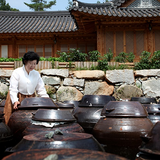
In a small village called Yucheon-ri in Changpyeong-myeon, Damyang — a place most people drive past without knowing — over 1,200 earthenware jars sit in rows, aging in the open air. This is where Master Ki Soondo has spent the better part of five decades doing what her family has done for 370 years: making traditional Korean jang the right way. Designated Korea's Traditional Food Grandmaster No. 35 and the tenth-generation daughter-in-law of the Damyang Go family, she begins each cycle in the eleventh lunar month, hand-shaping meju and firing her own bamboo salt. Among her jars is one never emptied — a ssiganjang kept alive for 370 years, the flavor benchmark for everything she makes. She sums up her life's work in a single phrase: "I cook blessings into food." Ki Soondo's traditional jang holds both HACCP and Traditional Food certification, and has been featured on CNN and praised by Michelin-starred chefs around the world.
전라남도 담양 창평면 유천리, 1,200여 개의 장독이 줄지어 하늘 아래 숨 쉬는 작은 마을. 이곳에서 기순도 명인은 370년을 이어온 가문의 방식 그대로 반평생 전통 장을 빚어왔습니다. 전통식품명인 제35호이자 담양 고씨 종갓집 10대 맏며느리인 명인은 음력 11월이면 손으로 메주를 빚고 죽염을 직접 구우며 그 해의 장을 시작해요. 1,200여 개 항아리 중에는 한 번도 비운 적 없는 370년 씨간장이 있어, 명인의 모든 장이 지향하는 맛의 기준이 되죠. 명인은 자신의 일을 한마디로 말합니다. "복(福)을 담아 식(食)을 짓습니다." 기순도 전통장은 HACCP과 전통식품 인증을 모두 획득했고, CNN 방영과 미쉐린 셰프들의 극찬을 받았습니다.
Thanks for subscribing!
This email has been registered!