

![Saechungmu Rice [100% Korean Rice; Freshly Milled in New York] - Kim'C Market](http://biz.kimcmarket.com/cdn/shop/files/saechungmu-rice-100percent-korean-rice-freshly-milled-in-new-york-kim-c-market-1_c273cbd5-b077-4c97-81ba-7b462b4b3bba_940x.png?v=1786183621)





- Choosing a selection results in a full page refresh.

Language
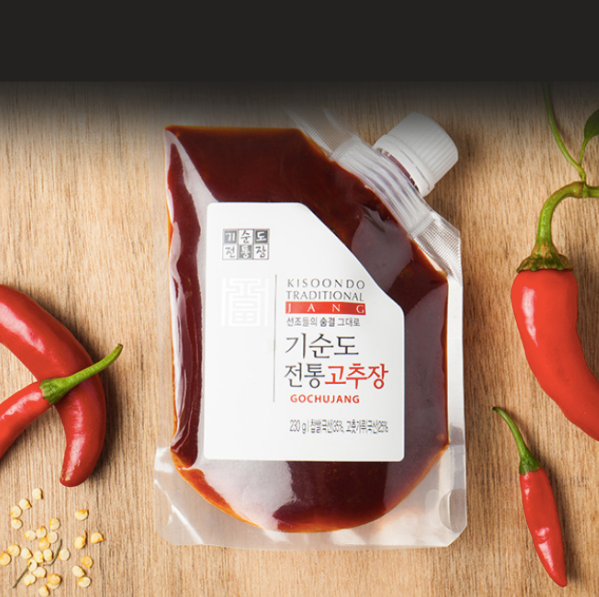
Spicy, salty, sweet — getting all three right is what separates a great gochujang from everything else. Master Ki Soondo has been carrying that balance forward through 370 years of family tradition, fermenting her paste the old way: 100% Korean-grown ingredients, hand-shaped meju blocks, bamboo salt fired in a family kiln, and months of patient aging in 1,200 earthenware jars open to the Damyang mountain air. This is not a shortcut product — it's the real thing, made by one of Korea's most decorated food artisans.
Spicy, salty, sweet — getting all three right is what separates a great gochujang from everything else. Master Ki Soondo has been carrying that balance forward through 370 years of family tradition, fermenting her paste the old way: 100% Korean-grown ingredients, hand-shaped meju blocks, bamboo salt fired in a family kiln, and months of patient aging in 1,200 earthenware jars open to the Damyang mountain air. This is not a shortcut product — it's the real thing, made by one of Korea's most decorated food artisans.
Ingredients: Korean glutinous rice, Korean red chili pepper, fermented soybean powder (meju), bamboo salt, Korean soy sauce, Korean barley malt syrup — 100% domestic
Purity check: No additives, no refined sugar, no preservatives
Process: Handcrafted; hand-shaped meju; naturally fermented and aged for months in earthenware jars
Certifications: HACCP; Korea Traditional Food
Net weight: 230 g (8.1 oz)
Storage method: Store in a cool, dry place; refrigerate after opening
맵고, 짜고, 달고. 이 세 가지 균형을 제대로 맞추는 것이 좋은 고추장과 그저 그런 고추장을 가르는 기준입니다. 기순도 명인은 370년을 이어온 가문의 전통 그대로 그 균형을 지켜오고 있어요. 100% 국산 재료, 손으로 빚은 메주, 가마에서 직접 구운 죽염, 그리고 담양 산바람 아래 1,200개의 항아리에서 수개월간 익히는 발효. 지름길은 없습니다. 대한민국에서 가장 권위 있는 전통식품명인이 만드는 진짜 고추장입니다.
Master Ki's gochujang
Gochujang is the backbone of Korean cooking — the fermented foundation behind bibimbap, tteokbokki, and countless marinades. But most commercial versions take shortcuts: refined sugar for sweetness, artificial additives for depth. The result is heat without substance.
Master Ki Soondo's gochujang is a different thing entirely. Korea's Traditional Food Grandmaster No. 35, she has spent five decades making gochujang the way her family has for 370 years — no additives, no refined sugar, no shortcuts. The tradition is recognized by the Korean government as a national culinary heritage. And the flavor reflects every bit of that commitment: a slow-building heat, clean sweetness, and a deep savory complexity that commercial products simply cannot replicate.
Depth starts with the ingredients
The flavor starts with the ingredients — and here, Master Ki makes almost everything herself. The chili peppers are sun-dried by hand. The rice syrup is made in-house from barley malt she sprouts herself. The meju — the fermented soybean base that gives gochujang its savory backbone — is hand-shaped, bound in organic rice straw, and fermented in a traditional loess room where temperature and humidity shift naturally with the seasons. Every ingredient is 100% Korean-grown. None of it is bought ready-made.
These ingredients then come together in the best possible environment for fermentation: Yucheon-ri in Damyang, a clean mountain-valley village in South Jeolla Province where over 1,200 earthenware jars age quietly in the open air. The bamboo salt used for seasoning is fired in-house — West Coast sea salt packed into Damyang bamboo and kiln-roasted until its mineral edge softens into something complex and smooth. After the paste is mixed and rested, it goes into the jars for several months of natural aging under the Damyang sky. The result is a gochujang where heat, sweetness, saltiness, and umami don't compete — they settle into each other.
One squeeze, endless uses
Because this gochujang carries so much depth on its own, the best place to start is the simplest one. A spoonful stirred into warm rice with sesame oil and a fried egg — that's bibimbap at its most honest, and it will tell you everything you need to know about what's in the jar.
From there, the possibilities are genuinely wide. Use it as the base of a bulgogi marinade (with soy, sesame oil, garlic, and a touch of honey). Stir it into a quick braising sauce for tofu, eggplant, or pork belly. Whisk it into salad dressings for a spicy, fermented kick that plays beautifully against citrus or rice wine vinegar. Mix it with butter and toss with roasted vegetables or pasta for a deeply savory, warming note. American cooks often discover that gochujang is a natural upgrade for anything that calls for sriracha or chili paste — but with more body, more complexity, and a slow-building heat rather than a sharp spike.
For the heat-sensitive: this gochujang has genuine spice, but its sweetness (from the barley malt rice syrup) and fermented depth keep it from being one-note. Start with a small amount — you can always add more, and you'll want to.
명인의 고추장
고추장은 한식의 근간입니다. 비빔밥, 떡볶이, 양념 어디에나 들어가는 발효의 심장. 하지만 시중 제품 대부분은 정제 설탕과 첨가물로 단맛과 매운맛을 빠르게 흉내 낼 뿐, 발효에서 오는 진짜 깊이는 없습니다.
기순도 전통 고추장은 다릅니다. 대한민국 전통식품명인 제35호 기순도 명인이 직접 빚고, 370년을 이어온 전통 방식 그대로 만듭니다. 인공 첨가물도, 정제 설탕도, 지름길도 없습니다. 대한민국 정부가 인정한 전통식품명인의 작품. 그 결과는 단순합니다 — 시중에서는 맛볼 수 없는, 발효가 만들어낸 진짜 깊은 맛.
재료부터 남다른 맛
기순도 고추장의 맛은 재료에서 시작합니다. 기순도 명인은 고추를 햇볕에 직접 말리고, 쌀조청은 겉보리를 직접 틔워 만든 엿기름으로 쑵니다. 메주는 손으로 빚어 유기농 볏짚으로 묶고, 온습도가 계절에 따라 자연스럽게 조절되는 전통 황토방에서 발효시킵니다. 전 재료 100% 국산. 어느 것 하나 완제품으로 들어오는 재료가 없습니다.
이렇게 만들어진 재료들은 발효에 가장 좋은 환경에서 익어갑니다. 전라남도 담양 창평면 유천리 — 맑은 산공기가 흐르는 이 마을의 1,200개 장독 항아리 속에서 수개월간 자연 숙성됩니다. 죽염은 서해안 천일염을 담양산 대나무에 넣어 명인의 가마에서 직접 구워, 날카로운 염분의 자극이 부드럽고 복합적인 미네랄의 맛으로 바뀝니다. 모든 과정이 끝나면 항아리 속에서 담양의 하늘 아래 수개월간 숙성됩니다. 그 결과가 매운맛, 단맛, 짠맛, 감칠맛이 서로 경쟁하지 않고 조화롭게 어우러진 기순도 고추장의 맛입니다.
고추장 하나면 충분합니다
기순도 고추장은 그 자체로 깊은 맛을 품고 있기 때문에, 가장 단순하게 시작해 보세요. 따뜻한 밥에 참기름 한 스푼, 달걀 프라이 하나, 그리고 고추장 한 숟갈. 가장 정직한 형태의 비빔밥 하나로 고추장의 맛을 느껴볼 수 있습니다.
그 다음부터는 응용이 끝이 없습니다. 간장, 참기름, 마늘, 꿀과 함께 불고기 양념장으로, 두부·가지·삼겹살 조림의 베이스로, 드레싱에 풀어 감귤류나 식초와 조합하면 발효의 깊이가 살아나는 샐러드 소스로. 버터에 섞어 구운 채소나 파스타에 버무리면 진하고 따뜻한 감칠맛이 납니다. 스리라차나 칠리 페이스트를 쓰는 요리라면 어디든 자연스럽게 대체할 수 있고, 훨씬 복합적인 맛을 냅니다.
매운맛이 걱정된다면: 기순도 고추장은 확실히 맵지만, 쌀조청의 단맛과 발효의 깊이가 매운맛을 한 겹 감싸 줍니다. 처음에는 조금만 넣어보세요. 곧 더 넣고 싶어질 테니까요.
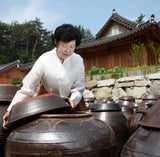
In a small village called Yucheon-ri in Changpyeong-myeon, Damyang — a place most people drive past without knowing — over 1,200 earthenware jars sit in rows, aging in the open air. This is where Master Ki Soondo has spent the better part of five decades doing what her family has done for 370 years: making traditional Korean jang the right way. Designated Korea's Traditional Food Grandmaster No. 35 and the tenth-generation daughter-in-law of the Damyang Go family, she begins each cycle in the eleventh lunar month, hand-shaping meju and firing her own bamboo salt. Among her jars is one never emptied — a ssiganjang kept alive for 370 years, the flavor benchmark for everything she makes. She sums up her life's work in a single phrase: "I cook blessings into food." Ki Soondo's traditional jang holds both HACCP and Traditional Food certification, and has been featured on CNN and praised by Michelin-starred chefs around the world.
전라남도 담양 창평면 유천리, 1,200여 개의 장독이 줄지어 하늘 아래 숨 쉬는 작은 마을. 이곳에서 기순도 명인은 370년을 이어온 가문의 방식 그대로 반평생 전통 장을 빚어왔습니다. 전통식품명인 제35호이자 담양 고씨 종갓집 10대 맏며느리인 명인은 음력 11월이면 손으로 메주를 빚고 죽염을 직접 구우며 그 해의 장을 시작해요. 1,200여 개 항아리 중에는 한 번도 비운 적 없는 370년 씨간장이 있어, 명인의 모든 장이 지향하는 맛의 기준이 되죠. 명인은 자신의 일을 한마디로 말합니다. "복(福)을 담아 식(食)을 짓습니다." 기순도 전통장은 HACCP과 전통식품 인증을 모두 획득했고, CNN 방영과 미쉐린 셰프들의 극찬을 받았습니다.
Thanks for subscribing!
This email has been registered!